Smoke Damage Restoration in University at Buffalo, NY
Smoke damage reaches places the fire never touched: inside cabinets, behind outlet covers, across every ceiling in the house. One call connects you with an independent, licensed and insured smoke restoration contractor in University at Buffalo who can test the residue and clean it the right way.
- Residue testing first
- Licensed & insured independent pros
- HVAC & duct cleaning
- Puffback specialists
Why Smoke Damage in University at Buffalo Needs a Specialist
What smoke leaves behind depends entirely on what burned, because smoke is a blend of fine particulates, acids and sticky aerosols. Natural materials leave dry, powdery soot, synthetics leave wet, greasy soot, and kitchen fires leave an almost invisible protein film with a stubborn smell.
Smoke moves through a building in predictable patterns. Because heated smoke seeks cooler air, it deposits heavily on exterior walls, window frames, closet interiors and ceiling corners. Pressure differences push it through outlets, light fixtures and gaps around plumbing, leaving dark lines restorers call ghosting or smoke webbing.
Re Fire Me is a free referral service and does not perform the work. We route University at Buffalo calls to independent, licensed and insured smoke restoration contractors who identify the residue before they clean. Confirm their license and insurance before work begins.
Smoke residue types
- Dry smoke: powdery, from wood and paper
- Wet smoke: sticky and smeary, from plastics and foam
- Protein: nearly invisible film with heavy odor
- Fuel oil: puffback soot from oil burners
- Wildfire smoke: fine ash infiltrating from outside
Why Choose Our Specialized Smoke Damage Restoration in University at Buffalo, NY
In smoke restoration, the right method on the right surface is everything. Here is what the independent contractors we connect you with in University at Buffalo bring to the job.
Licensed & insured specialists
The contractors are independent, licensed and insured, and smoke work is a regular part of their business. Ask about their training on the IICRC S700 standard.
Upfront written pricing
After testing, you get a written scope showing which surfaces will be cleaned, sealed or replaced. Nothing major starts without your approval.
Rapid local dispatch
Acidic residue keeps working on surfaces, which makes speed important. Local crews can often start within hours on urgent calls.
Testing & cleaning equipment
Dry chemical sponges, tape lifts, HEPA vacuums, pH-matched cleaners, ultrasonic tanks and duct cleaning rigs.
Smoke Damage Restoration Services in University at Buffalo
Each residue and each surface gets its own approach.
Residue Identification & Testing
Test wipes with dry sponges show whether residue lifts cleanly, smears, or needs a solvent or alkaline cleaner. That single step prevents the most common mistake: wet-wiping dry soot and setting the stain.
Wall, Ceiling & Hard-Surface Cleaning
HEPA vacuuming comes first, then dry sponging, and only then a wet cleaner matched to the residue. Tile, grout, countertops and fixtures are cleaned early because acidic residue etches them over time.
Oil Burner Puffback Cleanup
When an oil burner misfires, fuel-oil soot blasts out of every register in the house. The ductwork gets cleaned first so the system stops redistributing soot, then the house is cleaned top to bottom.
HVAC & Ductwork Cleaning
Smoke pulled into a running system coats coils, blower wheels and duct interiors. Negative-air duct cleaning, coil cleaning and filter replacement keep the system from blowing soot and odor back into clean rooms.
Electronics & Contents Cleaning
Smoke residue is corrosive to circuit boards and metal contacts. Electronics should stay unplugged until evaluated, and many hard goods can be restored in ultrasonic tanks.
Wildfire Smoke Infiltration
Homes miles from a wildfire can fill with fine ash through attic vents, window gaps and HVAC intakes. Restorers clean surfaces, change filters, clean ducts and treat soft goods to remove the residue and smell.
How Smoke Restorers Read a Room
Where the residue settled tells an experienced technician a great deal. Heavy deposits on the upper third of walls and ceilings show where the hot smoke layer sat. Dark outlines around outlets, light switches and recessed lights show air being pulled through wall cavities, which means the cavities themselves may need attention. Clean rectangles behind pictures and furniture show how much residue the rest of the wall is holding.
Different materials react in different ways. Flat latex paint absorbs residue and may need sealing and repainting, while semi-gloss and enamel often clean up completely. Unsealed grout and natural stone can discolor within days, and chrome and brass fixtures can pit if acidic residue is left on them. That is why smoke restoration crews prioritize bathrooms and kitchens early.
Smoke Damage Situations We Hear About Most
Smoke from a neighboring unit
In condos, townhomes and apartments, smoke from a fire next door travels through shared walls, attics and ventilation. The unit may have no fire damage at all, yet every surface carries residue and the HVAC needs cleaning.
Furnace puffback
An oil burner misfires and blows fine, oily soot through every register. Residue lands on walls, ceilings, curtains and furniture throughout the house, and the ductwork has to be cleaned before anything else.
Candle and small appliance fires
A candle or toaster fire may scorch only one spot, but synthetic materials burning in a closed room can coat the whole floor with wet, smeary residue that household cleaners just spread around.
Wildfire smoke infiltration
Homes miles from a wildfire can fill with fine ash and smoke odor through attic vents, gaps and HVAC intakes. Surfaces, filters, ducts, closets and soft goods all need attention.
How Smoke Damage Restoration Works
Call Dispatch
Call +1-866-484-1409 and tell the dispatcher what burned and where you see residue. We connect you with an independent smoke restoration contractor near University at Buffalo.
Rapid Mobile Arrival
The crew arrives, starts HEPA air scrubbing and shuts down the HVAC to stop spread.
Expert Assessment & Quote
After room-by-room residue testing, the contractor writes a scope and price based on the results.
Resolution & Final Walkthrough
Surfaces, ducts and contents are cleaned to match the residue, and you walk the property with the contractor at the end.
What University at Buffalo Callers Say About Smoke Cleanup
A candle fire in the living room left gray streaks on every wall upstairs. The contractor tested each room, explained why some walls only needed dry sponging, and saved us from repainting the entire house.
Monique F.Homeowner, University at Buffalo
Our oil furnace puffed back early on a Sunday. They cleaned the ducts first, which I would never have thought of, then went room by room. Everything was done in four days.
Paul D.Homeowner, University at Buffalo
Smoke from a neighboring unit got into my office suite. The crew cleaned the workstations, the server closet and the ductwork after hours so we only lost one day.
Rina S.Business owner, University at Buffalo
Our neighbor's house fire sent smoke straight through our windows. The technician showed us the clean outlines behind our picture frames to explain why the walls needed cleaning, even though they looked fine.
Beth A.Homeowner, University at Buffalo
Common Smoke Damage Questions in University at Buffalo
Can I clean smoke damage off my walls myself?
Light, dry residue on a small area can sometimes be handled with a dry chemical sponge. Wiping with water or household cleaners usually smears soot and can set the stain permanently. For anything beyond a small area, have it tested first.
What causes the black lines on my walls and ceilings after a fire?
They are called ghosting or smoke webbing and form where air and smoke flowed past cooler areas such as studs, joists and outlets. They are soot deposits, not mold, and respond to proper cleaning.
Should I run my HVAC after smoke damage?
Not until the system is inspected and cleaned. Running it spreads soot and odor into rooms that may have been clean.
Is smoke residue harmful to my health?
Fine particulates and chemical compounds in residue can irritate the lungs, particularly for kids, seniors and anyone with asthma. Keep exposure short and use an N95 respirator if you need to enter.
Is Re Fire Me the smoke restoration contractor?
No. Re Fire Me is a free referral service that connects you with independent, licensed and insured contractors. The contractor you hire does the work and is responsible for it.
Does insurance cover smoke damage without fire damage?
In many cases. Smoke from a neighbor's fire, a puffback or a nearby wildfire is commonly covered. Review your policy and file promptly.
Smoke Restoration Coverage in University at Buffalo and Nearby
The dispatch line serves University at Buffalo and nearby communities around the clock. Houses, condos, apartments, offices and storefronts are all covered, including smoke that drifted in from next door. Nearby cities and zip codes we serve are listed below.
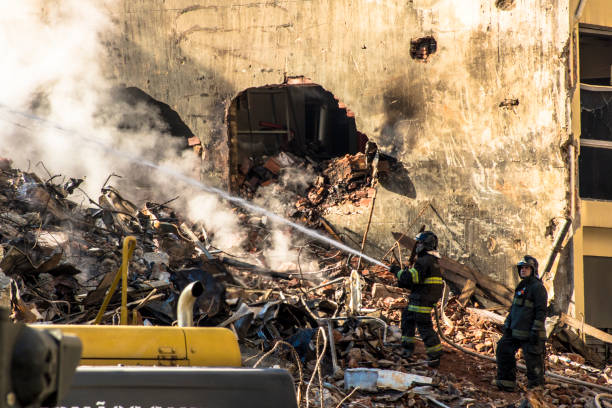
Smoke Residue Gets Harder to Remove Every Day
Until it is removed, acidic residue keeps etching. Call +1-866-484-1409 to connect with an independent smoke restoration contractor in University at Buffalo.