Fire Damage Restoration Service in Emanuel County County, GA
Whether it was a grease fire on the stove or a loss that took out half the house, the next few hours decide how much can be saved. One call connects you with an independent, licensed and insured fire damage contractor in Emanuel County who can secure the property, start soot and water mitigation, and put an honest scope of work in writing.
- Licensed & insured independent pros
- Upfront written estimates
- Board-up & roof tarping
- Insurance-ready documentation
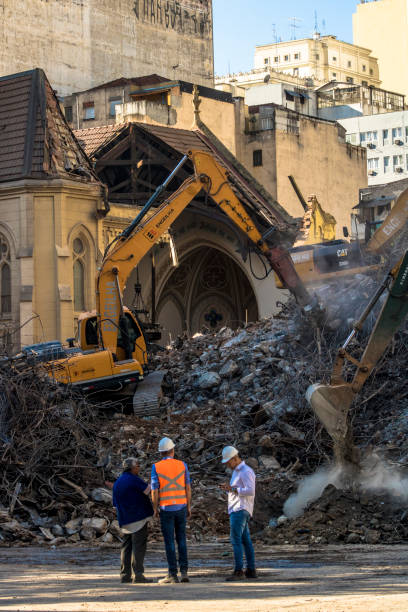
The Referral Network People Call When the Fire Is Out
Re Fire Me is a free referral service. We are not the crew that pulls up with the air scrubbers and the plywood. What we do is answer the phone at 2 a.m. when your kitchen is black with soot, figure out what kind of loss you are dealing with, and connect you with an independent, licensed and insured fire restoration contractor who works in Emanuel County and can actually get there.
That distinction matters, and we would rather you hear it from us up front. The contractor you speak with is an independent business. They carry their own license and liability coverage, write their own estimates and stand behind their own workmanship. Our job is to shorten the distance between the fire and the first qualified person walking through your door.
Fire damage does not hold still. Soot is acidic. In the first few hours, acidic soot begins yellowing plastic surfaces, staining grout and tarnishing chrome and brass fixtures. Left alone for a few days, it bonds with paint and wood finishes, and exposed metal starts to corrode. Add the water a fire crew used to knock the fire down, and a wet-structure problem is building underneath the smoke damage. Wet drywall, subfloor and insulation can start growing mold within 24 to 48 hours. The longer it all sits, the bigger the final bill.
That is why the dispatch line runs 24 hours a day, every day of the year, holidays included. A big share of our calls come in overnight, often within an hour of the fire department leaving, and the line is staffed for exactly that. When you call, a real person asks where the fire started, whether the power is on, whether the structure has been cleared for entry and whether there is standing water. Those answers decide whether you need an emergency board-up crew tonight, a water extraction team first thing in the morning, or a soot and odor specialist to start a full assessment.
The independent contractors in the network generally do fire and smoke restoration as a core part of their business. Many follow the ANSI/IICRC S700 standard for fire and smoke damage restoration and the S500 standard for water damage. Before you sign anything, ask the contractor directly about their license, insurance certificate and training, and verify them yourself.
Local knowledge matters too. Contractors covering Emanuel County handle in-town homes and apartments as well as rural properties with outbuildings, detached garages and long private drives. They know whether your address falls under a city permit office or the county building department, and they plan the rebuild around that.
What happens when you call +1-866-484-1409
- A live dispatcher answers, not a voicemail box
- You answer a few quick questions about the fire
- We connect you with an available independent contractor near you
- The contractor confirms arrival time and next steps directly with you
Core Fire Damage Restoration Service Services Available in Emanuel County
Any fire leaves several separate problems behind at the same time: an open, unsecured structure, soot everywhere, odor trapped in the materials, water from the hoses and a rebuild waiting at the end. The contractors we connect you with handle each phase, and many handle all of them start to finish.
Emergency Fire Damage Response
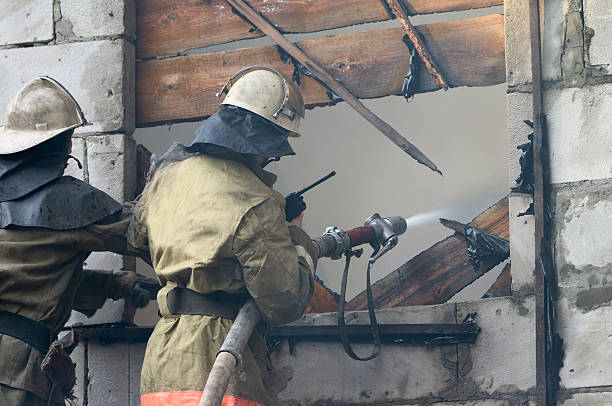
The first job after any fire is making sure the damage stops growing. On an emergency call, the crew normally checks that the building is safe to enter, works with the utility on gas and electric, and boards up the windows and doors firefighters broke out to ventilate. If the roof was opened up, it gets tarped the same night so rain does not finish what the fire started.
Standing water from fire hoses gets extracted with truck-mounted or portable units, and air scrubbers fitted with HEPA filters go in to start pulling fine soot out of the air. It is not glamorous work, yet it protects what survived, and most policies require reasonable steps like these to keep the loss from getting worse.
Residential Fire Damage Removal
Most of the calls we route are house fires, and most house fires start in the kitchen. A pan of oil left on a burner for a few minutes can coat every cabinet, ceiling and window in the house with a sticky, yellow-brown protein film that smells terrible and does not come off with household cleaners. Other common sources are dryer vents packed with lint, space heaters, overloaded extension cords, candles and lithium-ion batteries from e-bikes and power tools. Each one leaves a different kind of residue and needs a different cleaning approach.
Residential crews work room by room: removing charred materials, HEPA-vacuuming loose soot before anyone touches it with a wet rag, cleaning walls and ceilings with dry chemical sponges, then wet-cleaning with degreasers matched to the residue. Carpets, window treatments, mattresses and upholstered furniture get evaluated individually. Some items come back fine after professional cleaning and some do not, and a good contractor explains the difference instead of hauling everything to the curb.
Commercial Fire Damage Removal
A fire in a restaurant, store, office or warehouse has a second clock running alongside the damage: every day the business stays closed costs real money. Commercial crews build the plan around reopening, often walling off the damaged zone with 6-mil poly and negative air machines so the rest of the building can keep running.
Restaurant fires are their own category. Grease fires in a hood system leave heavy, oily residue in the ductwork, on stainless steel and inside walk-in coolers, and the health department will want to see the kitchen properly cleaned before reopening. Offices raise different problems, mainly corrosive smoke reaching electronics, server rooms and paper records. Many commercial jobs also need night or weekend schedules, something experienced commercial contractors build in from day one.
Professional Soot Removal and Surface Cleaning
Soot is not one thing. A fast, hot fire burning wood and paper leaves dry, powdery soot that smears if you wipe it. Low-oxygen fires that smolder through plastics, carpet and foam cushions leave wet soot, thick and sticky with a sharp chemical smell. Kitchen fires leave protein residue. An oil burner malfunction, called a puffback, sprays fine fuel-oil soot through the ductwork into every room.
Identifying the soot type comes first, because the wrong method makes things worse. Dry soot calls for HEPA vacuuming followed by dry chemical sponges, while oily soot needs solvent-based or alkaline cleaners. Lightly smoked paint can usually be saved with cleaning, while drywall saturated with soot is often cheaper to cut out and replace. Tile, countertops and fixtures should be cleaned quickly, because acidic soot etches them the longer it sits.
Deodorization and Smoke Odor Removal
Cleaning what you can see does not remove what you can smell. Smoke is made of tiny particles and gases that push into every porous material in the house: drywall, insulation, wood framing, carpet pad, clothing and the inside of the HVAC system. Because hot smoke moves toward cooler spaces, it settles inside closets, attics, cabinets and wall cavities well away from the fire itself.
Real odor removal happens in stages. First the source material is removed or cleaned. Then the crew treats what remains with thermal fogging, which mimics the way smoke penetrated, plus hydroxyl generators that can run safely in occupied spaces, or ozone in buildings that are fully vacated. Any framing or subfloor that still holds odor after cleaning is typically sealed with a shellac-based odor-blocking primer before rebuilding. Sprays and plug-ins just mask the smell for a few days, which is why a layered process matters.
Firefighting Water Extraction and Drying
It surprises a lot of property owners that the water ends up causing as much trouble as the flames. A single fire hose can put out well over a hundred gallons a minute, and sprinkler heads, burst pipes and melted supply lines add more. That water soaks into subfloors, wall cavities and insulation, and it carries soot with it.
The drying side of a fire job follows the same science as any water loss. Crews map moisture with meters and thermal imaging, extract standing water, remove soaked materials that cannot be dried, and set up commercial air movers and low-grain refrigerant dehumidifiers. Readings get logged every day until materials reach a dry standard. Rushing or skipping this step is how a fire claim turns into a mold claim six weeks later.
Contents Pack-Out and Cleaning
Personal belongings often need more careful handling than the structure itself. When rooms need demolition or heavy cleaning, crews pack out salvageable contents, inventory them with photos and box labels, and move them to a secure facility for cleaning. The inventory doubles as documentation for your insurance claim.
Professional contents cleaning uses tools you do not have at home: ultrasonic tanks for dishes and hard goods, ozone chambers for odor, and specialized processes for textiles, documents and electronics. Mention photos, documents and heirlooms to the contractor up front so those items get priority. Electronics exposed to smoke should not be powered on until they are checked, because corrosive residue can short them out.
Structural Repair and Reconstruction
Once the property is cleaned, dried and deodorized, the rebuild begins. That can be as small as replacing a section of drywall and repainting a kitchen, or as big as reframing walls, replacing roof trusses, rewiring circuits and installing new cabinets, flooring and windows. Many restoration contractors handle both phases, so you are not starting over with a new company halfway through.
Most fire rebuilds require permits and inspections. Wiring exposed to heat should be evaluated by a licensed electrician, and charred framing gets assessed for depth of char to decide whether it can be cleaned and sealed, sistered or replaced. It is worth asking how the contractor pulls permits, which trades they subcontract and how scope changes get approved and documented.
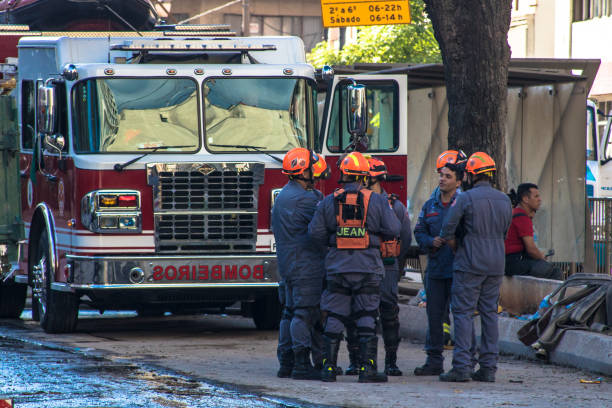
How a Fire Damage Restoration Service Job Typically Runs
Every fire is different, but the sequence of work is fairly consistent. Here is what to expect from the first phone call to the final walkthrough.
Call the dispatch line
Call +1-866-484-1409 and a dispatcher asks a few quick questions about where the fire started, whether utilities are on, whether the fire department has cleared the building and whether there is standing water. Then we connect you directly with an available independent contractor that serves Emanuel County.
Arrival and safety check
On arrival, the crew checks that the structure is safe, then photographs and documents every room before moving anything. Emergency measures such as board-up, roof tarping and water extraction happen right away.
Assessment and written scope
A project manager walks every room, tests surfaces to identify soot types, takes moisture readings and checks how far smoke traveled. You receive a written scope and estimate before major work begins, frequently in the Xactimate format most insurance adjusters work with.
Mitigation, cleaning and drying
Charred materials come out, loose soot is HEPA-vacuumed, surfaces are cleaned with methods matched to the residue, and drying equipment runs until moisture readings come back normal.
Deodorization and HVAC cleaning
With cleaning complete, remaining odor gets treated with thermal fogging, hydroxyl or ozone, and smoke-stained framing is sealed. HVAC ducts are cleaned so the system does not redistribute soot the first time it runs.
Rebuild and final walkthrough
Repairs and reconstruction bring the property back to pre-loss condition, followed by a final walkthrough with you to confirm everything on the scope was completed.
Before the crew arrives: do this
- Stay out until the fire department says the building is safe
- Call your insurance company and open a claim
- Photograph and video every room if you can safely enter
- Keep the HVAC system turned off
- Throw out food, medicine and cosmetics exposed to heat or smoke
- Wear an N95 or better respirator if you must go inside
And avoid this
- Wiping soot off walls or upholstery, which smears and sets it
- Turning on ceiling lights or fans if the ceiling is wet
- Powering on electronics or appliances exposed to smoke
- Sending smoky clothes to a regular dry cleaner
- Throwing out damaged items before your adjuster documents them
Why Callers Trust Re Fire Me With Fire Damage Restoration Service
After a fire, most people have never hired a restoration contractor before and do not know what good looks like. Taking these calls day and night, we have seen what separates a smooth job from a stressful one.
Upfront, written pricing
After inspecting the damage, the contractor puts the estimate in writing before any major work starts. Nothing gets added at the end without your sign-off, and scope changes are approved before the work happens. There is never a charge to you for using the referral line.
Fast response, local dispatch
Your call goes to an independent crew that already works close to you, not one driving in from far across the region. On true emergencies like an open roof or missing windows, many contractors in the network can be on site within a few hours. Exact arrival times depend on location, weather and demand, and the dispatcher will tell you honestly what to expect.
Licensed & insured independent pros
The contractors in our network are licensed and insured independent businesses that handle fire and smoke damage regularly. We still recommend asking for their license and certificate of insurance and verifying both yourself, which is smart with any contractor.
Work they stand behind
Reputable restoration contractors put their workmanship warranty in writing. Ask to see it before you sign, and ask specifically how they handle it if smoke odor comes back after they leave. Any warranty comes from the contractor, who is responsible for the work they perform.
Insurance-ready documentation
Documentation can make or break a fire claim. Contractors used to fire work photograph every room, log moisture readings, inventory contents and write estimates in formats adjusters recognize. Many will meet your adjuster on site and walk the loss together.
One call covers every phase
Board-up, water extraction, soot cleaning, odor removal, contents and rebuild are often handled by the same contractor, so you are not juggling five phone numbers.
Working With Your Insurance After a Fire
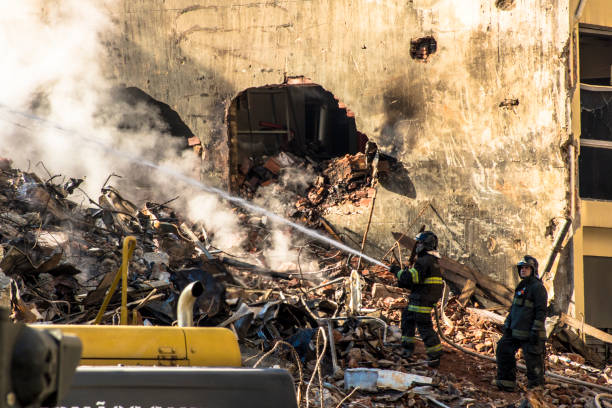
Most standard homeowners and commercial property policies cover sudden and accidental fire, along with resulting smoke damage and water from firefighting. What is covered depends on your exact policy, so check your declarations page and ask your agent or adjuster. Re Fire Me is not an insurance company and cannot tell you what your policy will pay, but we can tell you what usually helps a claim go smoothly.
Report the fire to your carrier quickly and ask about Additional Living Expenses, or ALE, which may pay for temporary housing if you cannot stay in the home. Keep receipts for everything: meals, lodging, clothing and emergency purchases. Do not throw out damaged belongings until the adjuster has seen them or you have photographed them thoroughly.
You also have the right to choose your own restoration contractor in most situations. Your insurer may recommend a preferred vendor, and that can work well, but you are generally not required to use them. Read work authorizations carefully, and think twice before signing an assignment of benefits unless you understand the rights you would be transferring.
When the contractor and the adjuster disagree about scope, the contractor's photos, moisture logs and line-item estimate are what settle it. That is one more reason to work with a crew that documents carefully from day one.
Commercial policies add a few wrinkles worth knowing about. Business interruption coverage, if you carry it, may replace lost income while you are closed, and it usually depends on proving the restoration timeline. Ask the contractor for dated progress reports you can hand straight to your insurer.
Real Stories From People Who Called After a Fire
These are accounts from people who called the dispatch line and were connected with an independent contractor.
I called at about 11 at night after a grease fire in my kitchen. The fire department had already left and the whole first floor smelled like burnt oil. The dispatcher asked a few questions and had me talking to a restoration company within ten minutes. Their crew came the next morning, showed me how the residue had spread into the cabinets and upstairs hallway, and gave me a written estimate before they started. Three weeks later you would not know anything happened.
Danielle R.Homeowner, Emanuel County
Our fryer caught and the fire got into the hood. Losing four days of business was painful, but it could have been a lot worse without the crew we got connected with. They worked overnight so we could prep during the day, cleaned the hood ducts and the walk-in, and had everything ready for the health inspector. Their estimate matched the final invoice.
Marcus T.Restaurant owner, Emanuel County
Oil burner puffback. Black soot on every wall in the house, even rooms that were shut. I honestly did not know where to start. The contractor explained what a puffback is, cleaned the ducts first so we would not keep blowing soot around, and then went room by room. They also worked directly with my insurance adjuster, which took a lot of stress off me.
Linda K.Homeowner, Emanuel County
An e-bike battery started a fire in our garage. The garage was gutted and smoke got into the house through the attic. They had the garage boarded up the same day, then removed the smoky attic insulation and sealed the framing. They were honest about what could be saved and what had to go. The smell is completely gone.
James and Priya S.Homeowners, Emanuel County
I manage a small apartment building, and a fire in one unit sent smoke into two others and the hallway. I needed a contractor who could juggle the tenants, the owner's insurance and several renters policies at once. They kept separate notes and photos for every unit, so each claim had its own documentation. Communication was excellent from start to finish.
Robert M.Property manager, Emanuel County
Fire Damage Questions We Hear Every Day
How fast can a Fire Damage Restoration Service contractor arrive in Emanuel County?
For urgent situations like an open roof, broken windows or standing water, many independent contractors in our network can be on site within a few hours of your call. Exact timing depends on your location, the time of day, weather and how busy local crews are. The dispatcher will give you an honest estimate on the call rather than promising a time no one can meet.
Do you provide upfront pricing?
Yes. After inspecting the property, the contractor provides a written estimate before any major work starts. Emergency measures such as board-up or water extraction may begin immediately to stop further damage, and the contractor should explain how those are billed first. Using our referral line is always free.
What emergency services are available after a fire?
Emergency services include board-up of broken windows and doors, roof tarping, water extraction, temporary power coordination, HEPA air scrubbing, and securing the property against weather, theft and vandalism. Many contractors can also pack out critical belongings like medications, documents and electronics on the first visit.
Is Re Fire Me the company that does the work?
No. Re Fire Me operates as a free referral service. We connect you with independent, licensed and insured local contractors who perform and are responsible for the work. We recommend verifying any contractor's license and insurance before you authorize work.
Will my homeowners insurance cover fire damage removal?
Most standard homeowners policies cover sudden, accidental fire damage, including smoke and firefighting water, but coverage depends on your specific policy and deductible. Call your insurer to open a claim, and ask whether you have Additional Living Expenses coverage. Experienced fire contractors can supply photos, moisture logs and estimates to support the claim.
Can smoke smell really be removed, or will it come back?
It can be removed when the work is done right. Odor comes back when the source is left behind, usually in insulation, framing, ductwork or contents. A thorough job removes or cleans those materials, treats the remaining odor with thermal fogging, hydroxyl or ozone, and seals affected framing before rebuilding. It is fair to ask the contractor what they do if odor resurfaces later.
Is it safe to stay in my home after a small fire?
Even a small fire puts out fine particulates and chemical residue that can irritate airways, particularly for kids, older adults, anyone with asthma, and pets. If the fire department has cleared the home and the damage is limited to one room, you may be able to stay with that area sealed off, but a contractor's assessment is the best way to know. If there is a lingering smell throughout the house, staying elsewhere for a few days is usually the safer choice.
What should I throw away after a fire, and what can be saved?
Discard any food, medicine or cosmetics exposed to heat, smoke or water, along with refrigerated food if the power went out. Beyond those items, hold off. Many items that look ruined, including hard goods, clothing, furniture and even some electronics, can be professionally cleaned. Keep damaged items until the adjuster has seen them or you have photographed them.
How long does fire damage restoration take?
A contained kitchen fire with limited smoke spread is often cleaned and deodorized within a few days to two weeks. Bigger losses involving drying, demolition and rebuilding can run several weeks to a few months, depending on permits, materials and insurance approvals. Expect a realistic timeline from the contractor along with the written scope.
Do I have to use the contractor my insurance company recommends?
Usually not. Most policyholders can choose their own restoration contractor. Your insurer's preferred vendor may be a fine option, but the decision is yours. Review your policy wording and tell your adjuster which contractor you picked so they can coordinate.
Serving All of Emanuel County With Fire Damage Restoration Service
The dispatch line serves every corner of Emanuel County, from the larger towns and suburbs out to the small communities and unincorporated land. No matter where in the county you are, one phone number connects you with an independent contractor who works nearby.
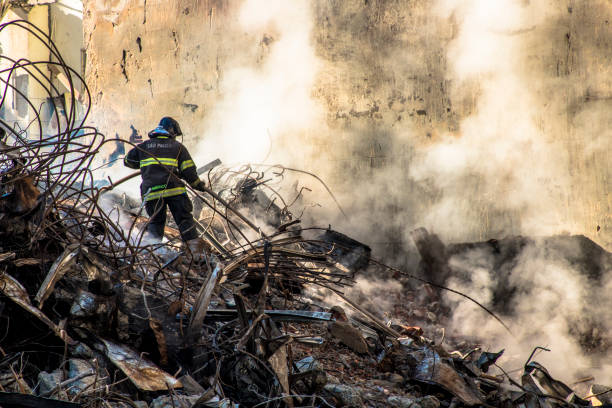
Rural fires bring their own challenges. Detached garages, workshops and barns often hold fuel, equipment and stored materials that burn hot and leave heavy residue. Properties on well water may need the water system checked if firefighters drew from it, and longer drive times make early emergency board-up even more important.
Contractors serving Emanuel County know which jurisdiction handles your permits and inspections, which can save time once the rebuild starts. The cities and zip codes we serve across the county are listed below.
Common fire calls around Emanuel County
- Kitchen and grease fires
- Garage, workshop and barn fires
- Chimney and wood stove fires
- Electrical and wiring fires
- Furnace puffbacks
- Commercial and restaurant fires
Smoke Damage Spreads Fast. Get Help Today.
Fire damage gets more expensive every hour it sits. Call +1-866-484-1409 now to be connected with an independent, licensed and insured restoration contractor in Emanuel County.