Fire And Water Damage Restoration in Twin Lakes, CA
The fire was in the kitchen, but the water from the hoses is now in the basement, the subfloor and every wall cavity on the first floor. One call connects you with an independent, licensed and insured fire and water restoration contractor in Twin Lakes that can extract, dry and clean in the right order.
- Water extraction & structural drying
- Moisture mapping
- Soot & smoke cleanup
- Licensed & insured independent pros
Why Fire and Water Damage Need One Plan in Twin Lakes
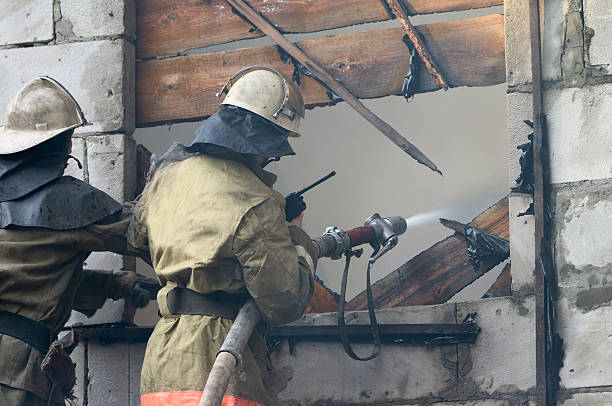
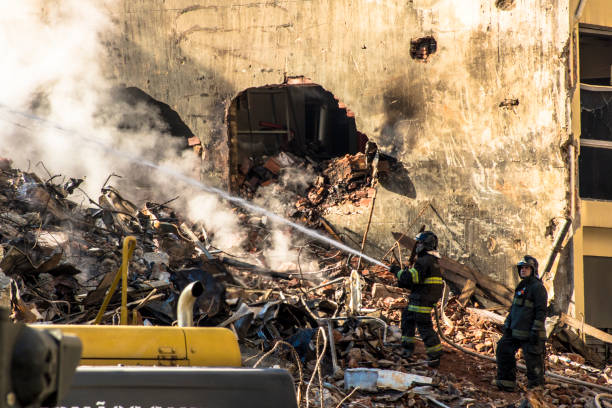
Almost every fire loss is also a water loss. A fire hose can move well over a hundred gallons a minute, sprinklers discharge, and heat can burst supply lines. Because the water picks up soot on its way, it carries contamination into subfloors, wall cavities and insulation.
Sequencing is everything on these jobs. Extraction and drying have to start fast, often before soot cleaning, because mold can begin within 24 to 48 hours on wet drywall and wood. But running air movers in a sooty room can blow residue everywhere, so crews contain the area, HEPA-vacuum loose soot and use air scrubbers alongside drying equipment.
The drying itself follows psychrometrics, the science of air, temperature and moisture. Crews map moisture with meters and thermal imaging, set air movers and low-grain refrigerant dehumidifiers, and log readings daily until materials hit dry standard.
We are a free referral service; the work is done by independent contractors. We route Twin Lakes calls to independent, licensed and insured contractors experienced in both, many trained to IICRC S500 and S700.
Where firefighting water hides
- Under hardwood, laminate and tile
- Inside wall cavities and insulation
- In ceiling drywall below upper floors
- Basements and crawlspaces
- Behind cabinets and baseboards
Why Choose Our Specialized Fire And Water Damage Restoration in Twin Lakes, CA
You need a contractor fluent in both fire and water work. This is what independent contractors in the Twin Lakes network bring to combined losses.
Licensed & insured contractors
Calls go to independent, licensed and insured businesses that do both water mitigation and fire restoration.
Upfront written pricing
You get a written scope covering extraction, drying days, equipment, soot cleaning and repairs before major work starts.
Rapid local dispatch
Drying has to start fast, and crews near Twin Lakes can often begin extraction within hours.
Drying & detection equipment
Truck-mounted extractors, LGR dehumidifiers, axial air movers, injectidry systems for wall cavities, moisture meters, thermal cameras and HEPA scrubbers.
Fire and Water Damage Restoration Services in Twin Lakes
Combined losses usually involve the following.
Water Extraction
Standing water is removed with submersible pumps and truck-mounted extractors, including from carpet and pad. Faster extraction means shorter drying times.
Moisture Mapping
Moisture meters and thermal imaging trace water into walls, under floors and into ceilings below. The map sets where drying equipment goes and what has to be removed.
Structural Drying
Air movers and LGR dehumidifiers are placed based on psychrometric readings, and wall cavities are dried with specialized systems when possible. Readings are logged daily.
Soot Cleanup in Wet Areas
Loose soot is HEPA-vacuumed before air movers run, and residue carried by water is cleaned from floors and lower walls.
Mold Prevention
Fast drying, removal of materials that will not dry in time and antimicrobial application help prevent mold.
Repairs After Drying
After everything hits dry standard, removed materials are replaced and finishes restored.
Water Categories and Why Firefighting Water Is Different
Water restoration professionals classify water by contamination level. Category 1 is clean water from a supply line, Category 2 has some contamination, and Category 3 is grossly contaminated water such as sewage or floodwater.
Hose water may start clean, but it collects soot, ash, chemicals and debris as it flows through the structure. Depending on contact and time, it may be handled as Category 2 or 3, which changes what can be dried in place and what must come out.
That is why fire and water losses need a contractor who understands both. Sooty, soaked carpet pad typically comes out, contaminated drywall may be cut above the wick line, and hard surfaces are cleaned and treated before drying wraps up.
Drying logs are one of the most useful documents on a fire and water job. Each day, technicians record moisture readings at marked points, along with temperature and humidity inside and outside the drying area. Those numbers show whether drying is progressing and when materials reach dry standard. Adjusters rely on them to approve equipment charges, and you can rely on them to know the structure is actually dry before walls are closed up and finishes go back on.
Fire and Water Situations We Hear About Most
Upstairs fire, downstairs water
The fire is on the second floor, but the hose water comes through the ceilings below. The first floor needs moisture mapping, drying and ceiling repairs even though it never saw a flame.
Sprinkler discharge in a business
A small fire triggers sprinkler heads in an office or warehouse. The fire is minor, but water spreads across carpet, inventory and lower walls, and drying has to start immediately to reopen quickly.
Pipes burst by heat
Heat from a fire can melt or burst supply lines inside walls, so water keeps flowing after the fire is out. Shutting off the water, finding the break and drying the cavity become urgent.
Crawlspace and basement flooding
Water collects in crawlspaces and basements where it is out of sight. Extraction, dehumidification and moisture monitoring there prevent mold and wood rot under the house.
Hardwood floors soaked by hoses
Hardwood floors that took on firefighting water can cup and buckle. Specialized floor drying mats and dehumidifiers can sometimes save them if drying starts quickly, while waiting usually means replacement.
How Fire and Water Restoration Works in Twin Lakes
Call Dispatch
Call +1-866-484-1409 and describe where the water is and where the fire started. We connect you with an independent contractor near Twin Lakes.
Rapid Mobile Arrival
On arrival, the crew extracts water and sets up containment and HEPA scrubbers.
Expert Assessment & Quote
The lead maps moisture and soot, then gives you a written scope with estimated drying days and repair items.
Resolution & Final Walkthrough
Drying, cleaning and repairs are completed in order, with moisture logs and a final walkthrough.
Fire and Water Stories From Twin Lakes
The fire was upstairs, but the water came through the ceilings on the first floor. Their thermal camera found water in walls I would never have thought to check.
Ellen W.Homeowner, Twin Lakes
A small office fire set off our warehouse sprinklers. They dried the concrete and racks, cleaned the soot and had us operating again in a week.
Frank Z.Business owner, Twin Lakes
We got daily moisture readings, and the adjuster accepted the drying logs as submitted. No mold, no smell.
Angela and Ray T.Homeowners, Twin Lakes
The contractor explained why our carpet pad had to go even though the carpet itself could be cleaned. The drying took four days and the house smells normal again.
Josh M.Homeowner, Twin Lakes
Fire and Water Damage Questions
Why is there so much water damage after a fire?
Hoses, sprinklers and heat-burst pipes all add water. That water soaks into floors, walls and ceilings far from where the fire burned.
Should drying or soot cleaning happen first?
Usually, extraction and drying start first because mold can begin within 24 to 48 hours. Crews HEPA-vacuum loose soot and run air scrubbers so the drying equipment does not spread residue.
How long does it take to dry a home after a fire?
Most structures reach dry standard in three to five days with proper equipment. Dense materials like hardwood and concrete can take longer.
Can firefighting water cause mold?
It can. Mold may start on wet drywall, wood and insulation within a day or two. Fast extraction and professional drying are the best prevention.
Is Re Fire Me the restoration contractor?
No, we are a free referral service that connects you with independent, licensed and insured contractors. The contractor performs and is responsible for the work.
Does insurance cover water damage from putting out a fire?
Generally, yes. Water used to extinguish a covered fire is typically part of the fire claim. Check your policy and keep the contractor's drying logs.
Fire and Water Restoration Across Twin Lakes
The dispatch line covers Twin Lakes and the surrounding communities 24 hours a day. Contractors work on houses, condos, apartments and sprinklered commercial buildings. See nearby cities and zip codes below.
Contractors around Twin Lakes handle combined fire and water losses in homes with basements, slab foundations and crawlspaces.
Water Will Not Wait. Neither Should You.
Wet materials can start growing mold within a day or two. Call +1-866-484-1409 to connect with an independent fire and water contractor in Twin Lakes.